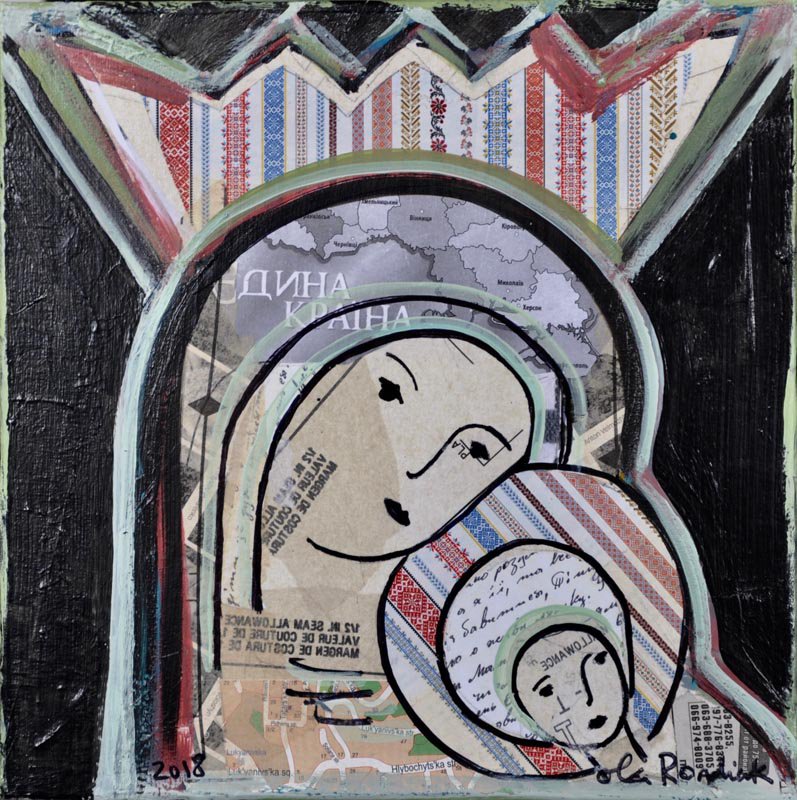
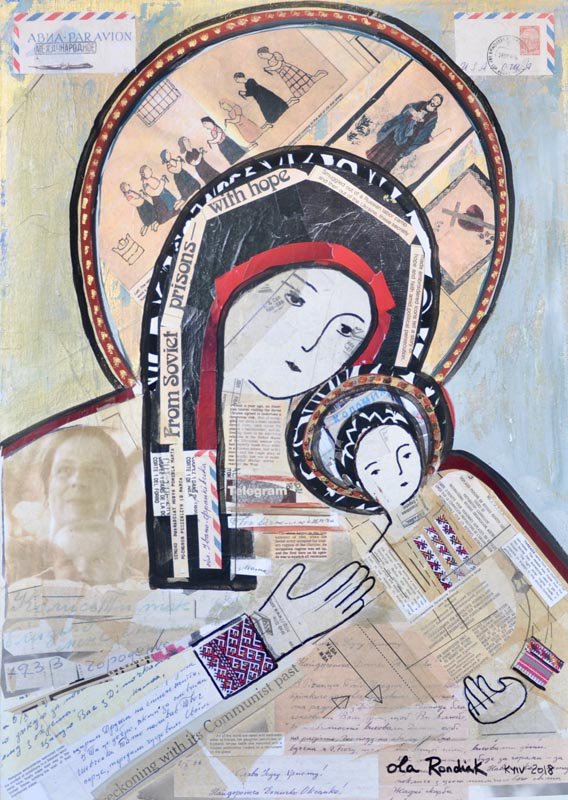
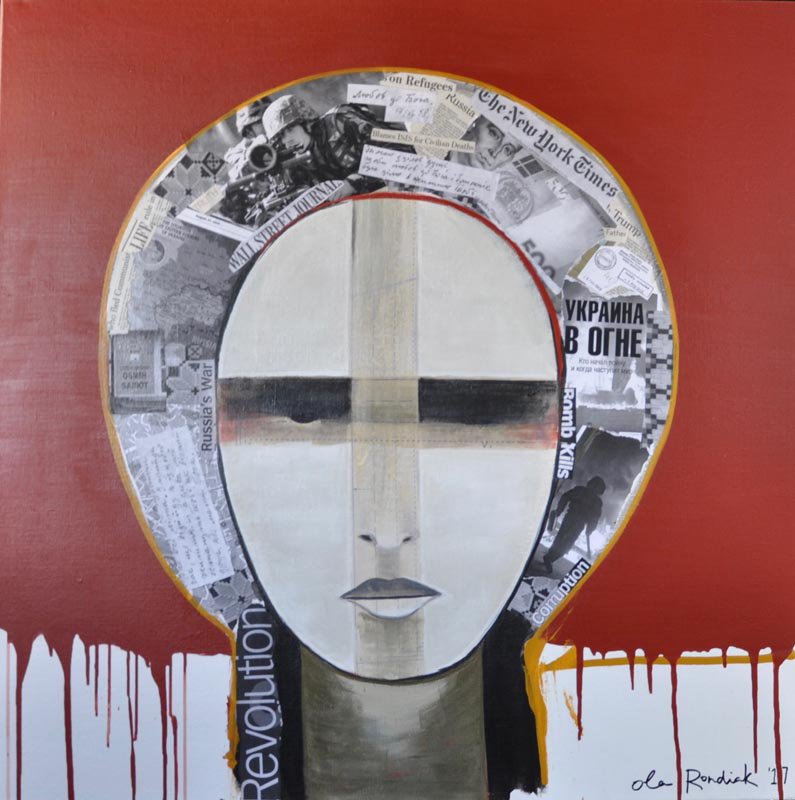
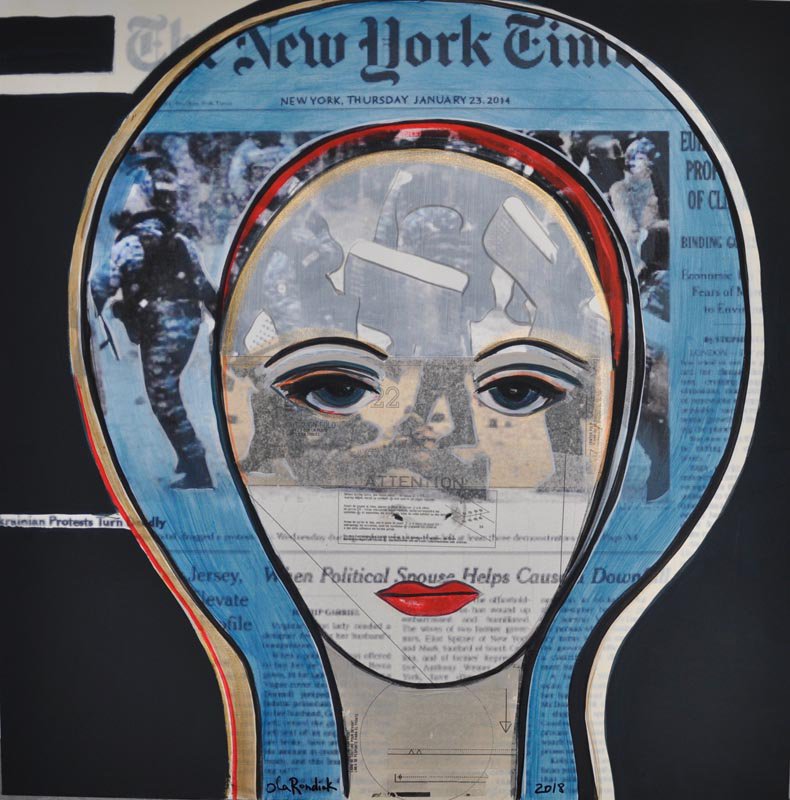
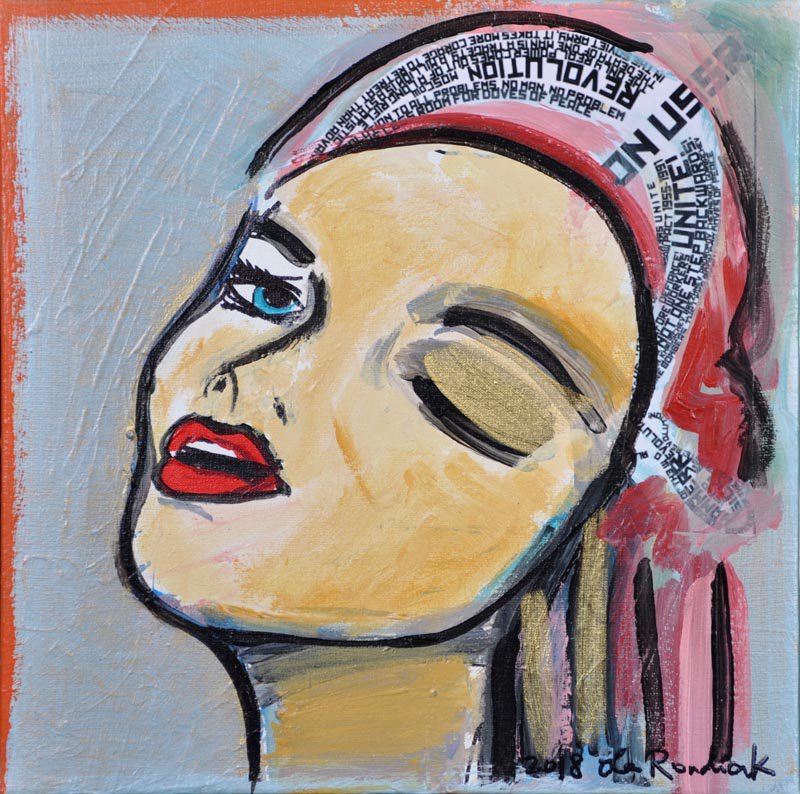
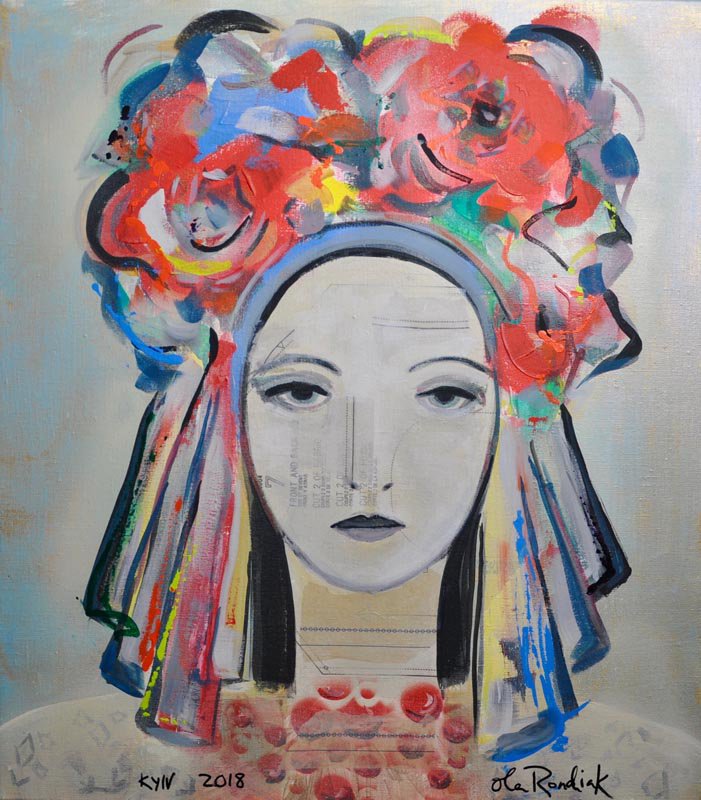
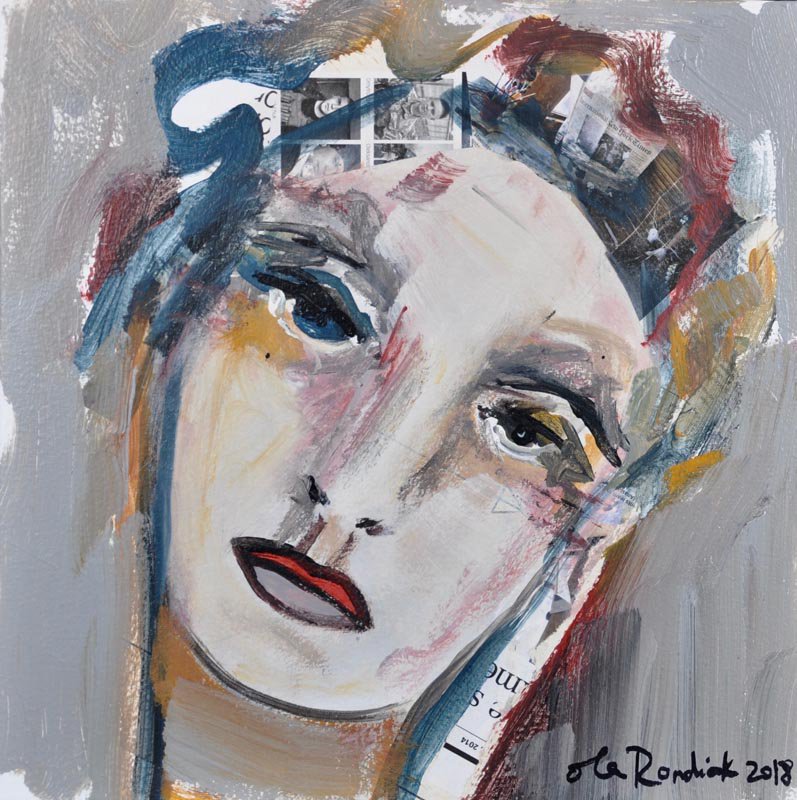
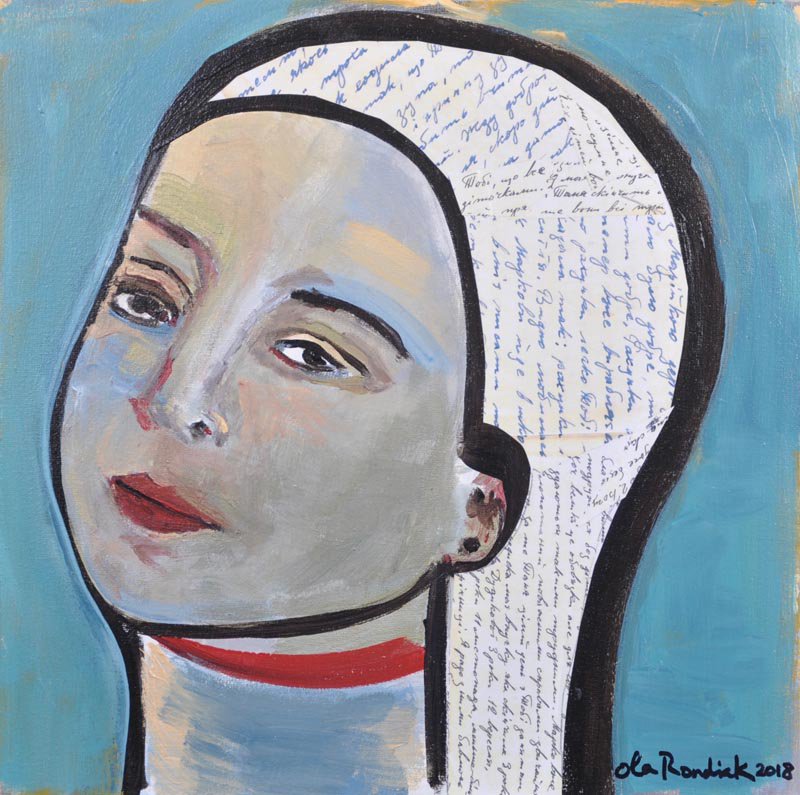
I am the daughter of immigrants. I grew up as a first generation American since both parents emigrated to the USA from Ukraine after WWII in 1949. During the war, my mother was separated from my grandmother at age eleven and never saw her again. She repeatedly told me what it was like growing up in Ukraine and that I was named after my aunt, who died at 19 years old in Kolomyia. When I was nine years old, a telegram from Ukraine arrived with the sad news that my grandmother had died. I identified very strongly with my mother's story, as if it was mine, and I carried this pain with me throughout my life.
As I grew up, in America, it was natural for me to tell everyone that I was Ukrainian. My parents felt it deeply important for us to learn the Ukrainian language, history and culture. The Ukrainian Community was strong in all major cities. I attended Ukrainian school on Saturdays, Ukrainian Church on Sundays, and Ukrainian Scouting camps during Summer and Winter school breaks. They were fulfilling a deeply felt obligation to keep Ukrainian culture alive because on the other side of the Iron Curtain, the very existence of the Ukrainian National Idea was being threatened. They feared that Ukraine itself could disappear. Ukraine, as I knew it, became a very strong part of my identity.
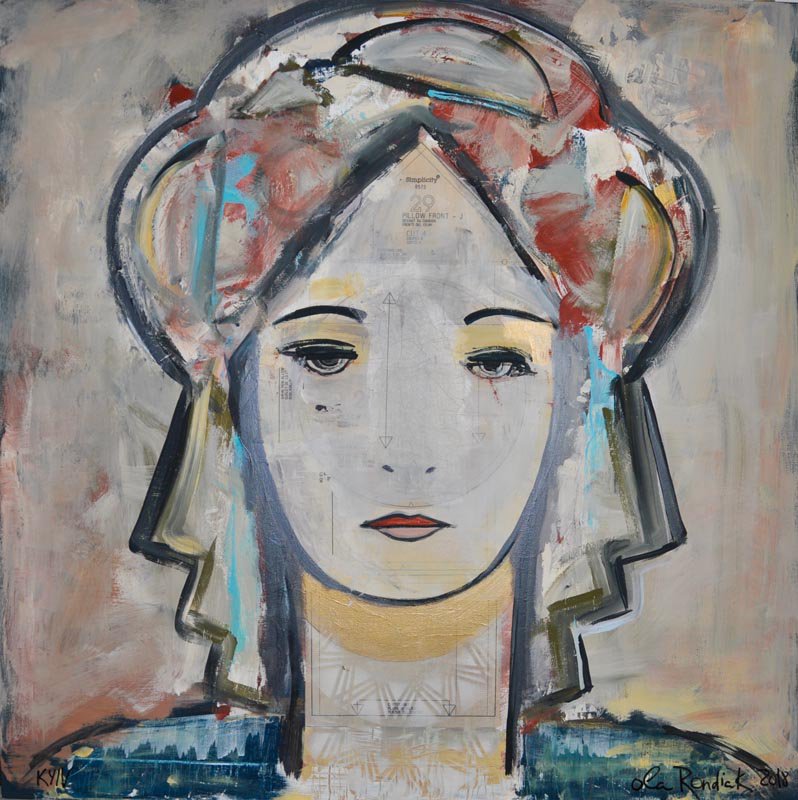
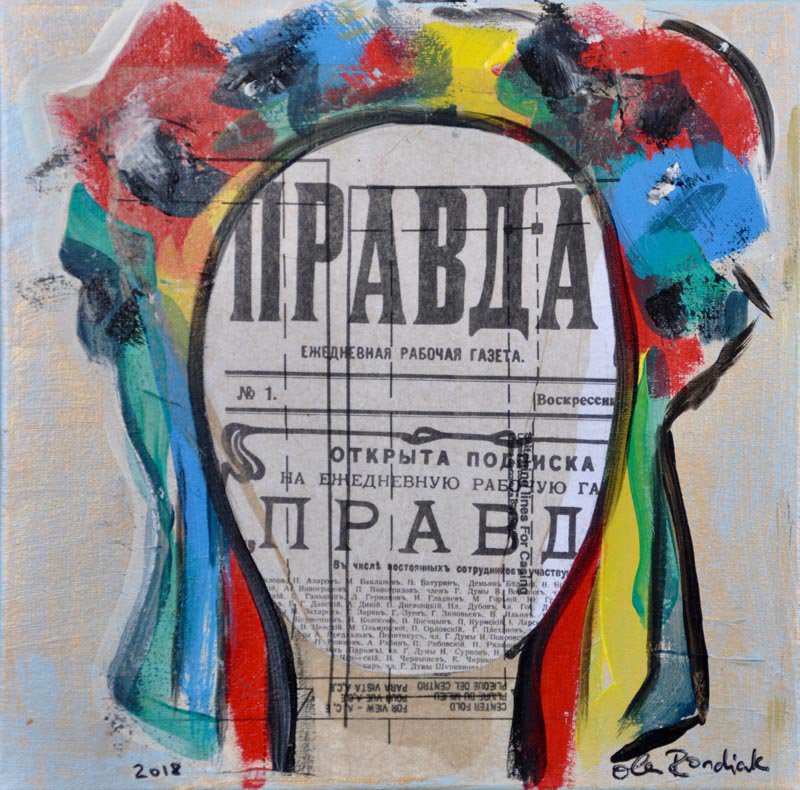
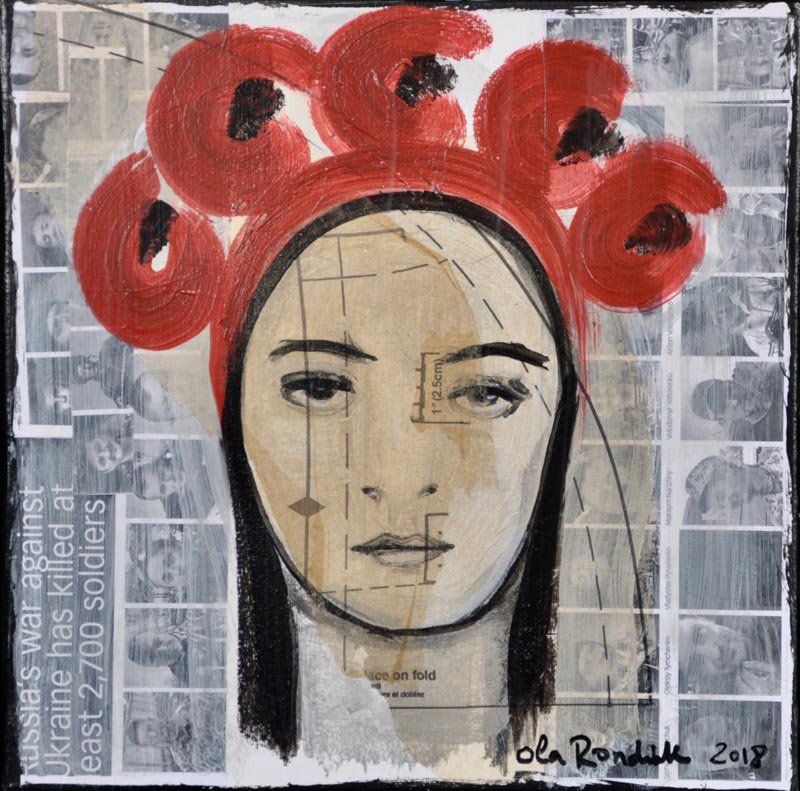
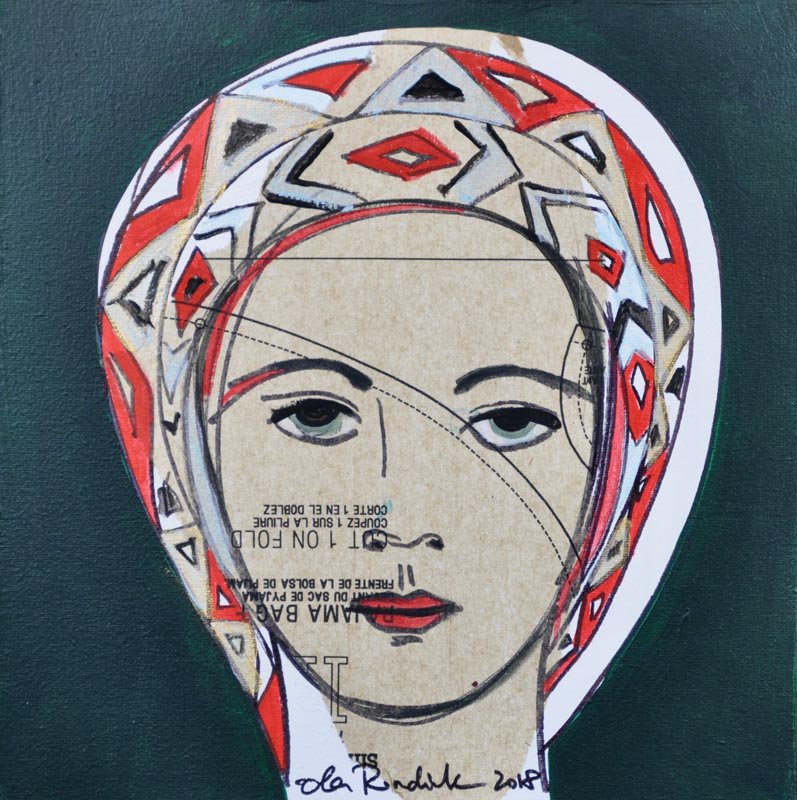
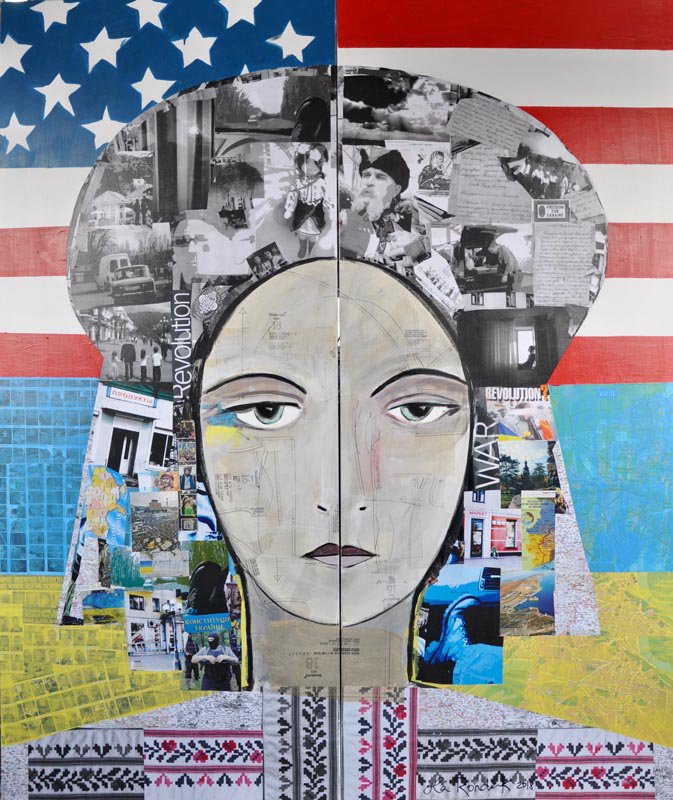
In 1991, Ukraine gained its independence from the Soviet Union and outlawed the Communist Party. My husband and I moved to Kyiv shortly thereafter in 1995. We wanted to experience our roots first hand. The irony was that when I moved to Ukraine, the identity I wanted so badly to connect with was not there. In the streets of 1990’s Kyiv, Russian was the language of choice and the traditions I grew up with were considered quaint and provincial. I would have to re-define for myself what it meant to be Ukrainian. Redefine my core identity. My identity was interrupted.